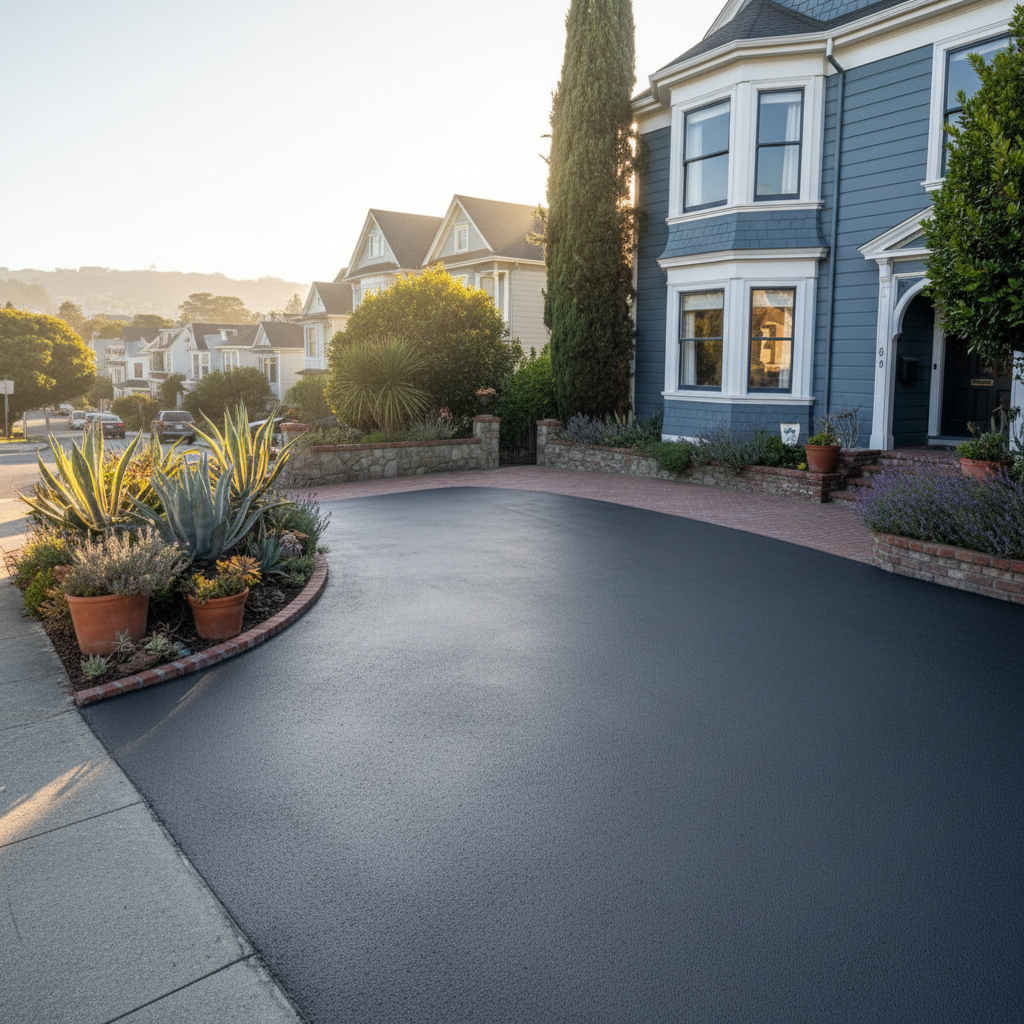
So, you've invested in a slurry seal for your asphalt. Smart move. It's a fantastic way to protect your pavement, extend its life, and give it a fresh, uniform look. But getting it done is only half the battle. If you want that slurry seal to really earn its keep, especially with San Francisco's weather patterns, you've got to treat it right. Think of it like getting a new car – you wouldn't just drive it off the lot and never change the oil, right?
Extend Your Slurry Seal's Lifespan: The Basics
The biggest thing you can do to make your slurry seal last is to be mindful of what you put on it. Right after it's applied, you'll get specific instructions on how long to stay off it. Pay attention to that. It's not just a suggestion; it's crucial for proper curing. Once it's cured, you still need to be careful.
- Keep it Clean: Dirt, debris, leaves – they all hold moisture and can break down the surface over time. Sweep or blow off your paved areas regularly. Don't let puddles sit for days if you can help it.
- Watch for Spills: Oil, gas, antifreeze, even harsh cleaning chemicals can eat away at the binder in the slurry. Clean up spills immediately. A little dish soap and water usually does the trick for fresh oil stains, but act fast.
- Limit Heavy Traffic: Slurry seal is tough, but it's not invincible. If you have heavy trucks or machinery, try to route them away from areas that are only slurry-sealed. For driveways, just be sensible.
- Avoid Sharp Turns: Especially with power steering, turning your wheels while stationary can scuff and tear the surface, particularly when it's new or on a hot day. Try to keep your vehicle moving when you turn.
Here in San Francisco, we get our fair share of fog and dampness, especially in neighborhoods like the Sunset or Richmond. That constant moisture can be tough on any pavement. Keeping the surface clean and allowing it to dry out properly after rain or heavy fog helps prevent moss or algae growth, which can also degrade the surface and make it slippery.
Regular Maintenance: What You Should Be Doing
Beyond the daily stuff, there are a few things you should do periodically to keep your slurry seal in top shape.
- Inspect Regularly: Walk your paved area once a month. Look for anything out of the ordinary. It only takes a few minutes.
- Address Weeds: Weeds pushing up through cracks are a killer. They widen small cracks into big ones. Pull them out by hand or use a weed killer designed for paved surfaces. Don't let them get established.
- Clean Drains: Make sure any drains or catch basins are clear. Standing water is the enemy of asphalt, and a slurry seal can't protect against water seeping in from underneath.
These aren't huge tasks, but they make a massive difference in how long your slurry seal lasts. A little proactive work now saves you a lot of money on repairs later.
Warning Signs: When Something's Not Right
Your slurry seal will tell you when it's unhappy. You just need to know what to look for.
- Fading or Discoloration: While some fading is natural over years, rapid or uneven fading could indicate premature wear or a problem with the original application.
- Aggregate Loss: You shouldn't see a lot of loose aggregate (the small stones) on the surface. If you're sweeping up a lot of it, the binder might be failing.
- Cracking: Small hairline cracks are normal as the pavement ages, but if you see widespread alligator cracking (like a reptile's skin) or large, deep cracks, that's a sign of underlying structural issues that the slurry seal can't fix on its own.
- Potholes or Depressions: Slurry seal is a surface treatment. If you're seeing potholes, it means the base asphalt underneath is failing.
- Peeling or Flaking: The slurry seal should be bonded tightly to the asphalt. If it's peeling up in sheets or large flakes, it wasn't properly adhered.
Remember, a slurry seal is a protective layer, not a structural repair. It's like a fresh coat of paint on a house; it looks great and protects, but it won't fix a rotting foundation.
When to Call a Professional (Like Alpha Asphalt San Francisco)
You're not expected to be an asphalt expert. That's my job. If you see any of those warning signs, or if you're just unsure about the condition of your slurry seal, don't hesitate to call us. It's always better to address small issues before they become big, expensive problems.
- Significant Cracking: If those cracks are getting wider, deeper, or spreading fast, you need a pro to assess the underlying asphalt.
- Potholes or Base Failure: These require more than just a surface fix. We'll need to repair the base asphalt before reapplying any protective layers.
- Widespread Peeling/Flaking: This often means the original application wasn't right, or there's a compatibility issue. We can figure out why and recommend the best course of action.
- Major Oil/Chemical Damage: Some stains or damage are too deep for a simple cleanup and might require patching or a new application.
- It's Just Been Too Long: Slurry seals typically last 5-7 years, sometimes longer with good maintenance. If you're approaching that timeframe and it's starting to look worn, it might be time for a fresh coat to keep your pavement protected.
Taking care of your slurry seal isn't rocket science, but it does require a little attention. A well-maintained slurry seal will keep your property looking sharp and save you money in the long run. If you've got questions or need an assessment, give Alpha Asphalt San Francisco a call. We're here to help.