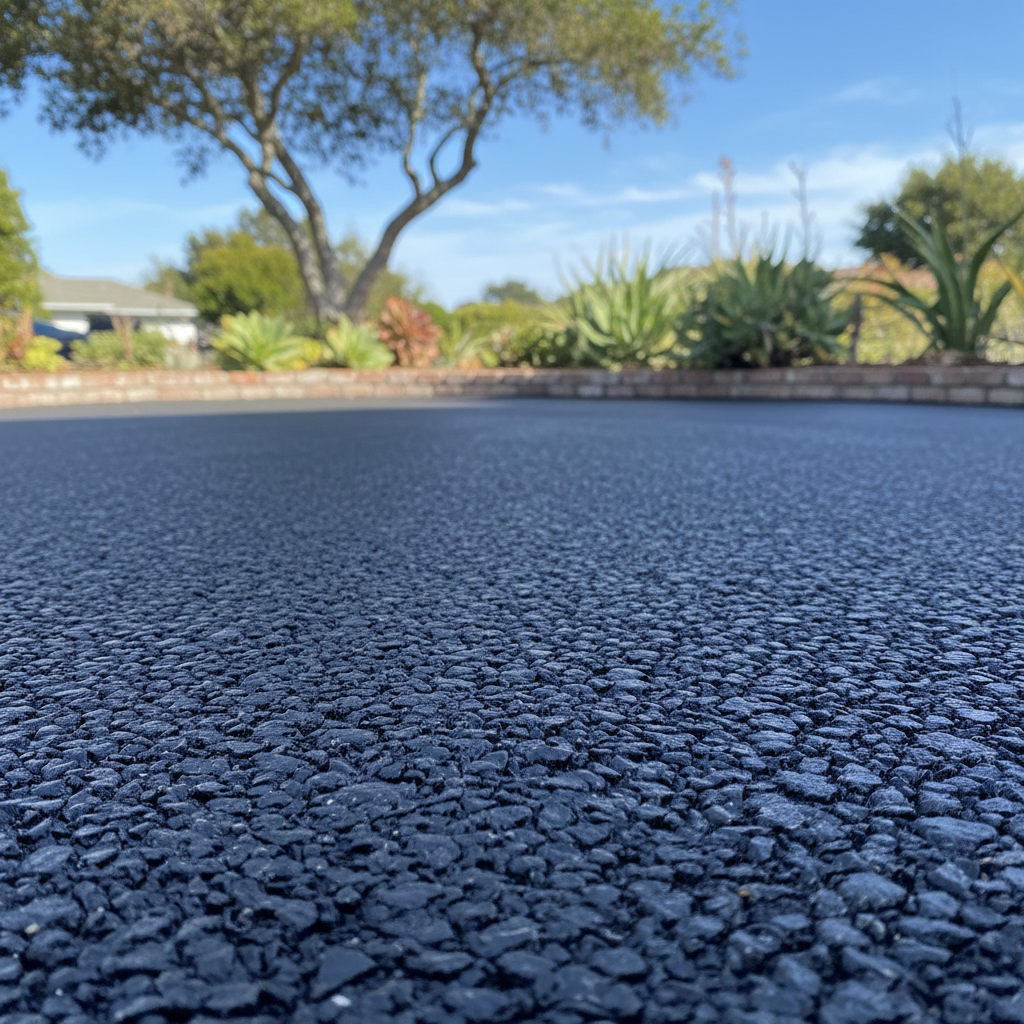
Got a space at your San Francisco home you're thinking of turning into a parking lot? Maybe it's a gravel patch that's always muddy, or an old, cracked concrete slab that's seen better days. Whatever it is, paving a parking area isn't like laying down a garden path. It's a bigger job, and you need to know what you're getting into before you start. I've seen plenty of these projects, good and bad, across the city, from the Sunset to Potrero Hill.
Before You Even Think About Digging
First things first: planning. You can't just slap asphalt down and call it a day. You gotta think about drainage. San Francisco gets its share of rain, especially in winter. If your lot doesn't drain right, you'll end up with puddles, erosion, and a much shorter lifespan for your pavement. Where's the water going to go? You might need to slope it towards a drain, a permeable area, or even a catch basin. This isn't something to guess at. It's crucial.
Next, permits. Don't skip this. The city has rules about impervious surfaces, stormwater runoff, and what you can build. Check with the Department of Building Inspection. You don't want to get halfway through a project only to have a stop-work order slapped on your property. Trust me, that's a headache you don't need.
Also, consider the subgrade. That's the dirt underneath. Is it stable? Is it clay that holds water? Is it full of old rubble? A good, solid base is everything for a parking lot. If your subgrade is weak, your asphalt will crack and sink, no matter how well it's laid. This is one of those areas where a pro can really assess what's going on and recommend the right approach.
What You Can Probably Handle Yourself (Maybe)
Alright, so what parts of this can a homeowner realistically do? Not much of the actual paving, honestly, unless you're talking about a tiny, tiny patch and you've got access to some serious equipment. But you can do some of the prep work, if you're handy and have the time.
- Clearing the Area: You can definitely clear out weeds, old gravel, or whatever's currently there. Get it down to bare earth.
- Basic Excavation (Small Scale): If you're just leveling a small, shallow area, and you're comfortable with a shovel and a wheelbarrow, you can do some of the initial digging. But if it's deep, or a large area, or involves moving serious amounts of dirt, rent an excavator or call a pro.
- Edge Definition: You can lay out string lines and stakes to define the exact perimeter of your parking lot. This helps with planning and gives the paving crew clear boundaries.
- Minor Base Material Spreading: If you're just adding a thin layer of aggregate for a small area, you might be able to spread it yourself. But compacting it properly? That's another story.
Remember, anything you do yourself needs to be done right. If your prep work is shoddy, it doesn't matter how good the paving crew is; your lot won't last.
When It's Time to Call a Professional (Which is Most of the Time)
Let's be real. For anything more than a small, personal parking pad, you're going to need pros. Here's why:
- Heavy Equipment: You need excavators, graders, rollers, asphalt pavers. These aren't tools you rent at Home Depot for a weekend. They're specialized, expensive, and require skill to operate.
- Proper Base Preparation: This is the backbone of your parking lot. It involves excavating to the right depth, laying down multiple layers of aggregate, and compacting each layer with industrial-strength rollers. If this isn't done perfectly, your asphalt will fail prematurely. We're talking about hundreds of thousands of pounds of pressure over the years from vehicles.
- Drainage Expertise: As I mentioned, drainage is critical. A pro knows how to calculate the right slope, install catch basins, and connect to storm drains properly, all while staying compliant with city codes.
- Asphalt Laying and Compaction: Laying asphalt isn't just dumping hot material. It needs to be spread evenly, at the right temperature, and compacted immediately and thoroughly to achieve the correct density and smoothness. This prevents potholes and ensures longevity.
- Cost-Effectiveness in the Long Run: DIY might seem cheaper upfront, but if you mess up the base or the drainage, you'll be paying for repairs or a full re-do much sooner. A professional job, done right by Alpha Asphalt San Francisco, lasts for decades.
After the Paving: Maintaining Your Investment
So, the new parking lot is down. Looks great, right? Don't just forget about it. Maintenance is key to making it last.
- Keep it Clean: Sweep off dirt, leaves, and debris regularly. This prevents organic matter from breaking down on the surface and causing issues.
- Sealcoating: This is like sunscreen for your asphalt. About 6-12 months after installation, and then every 2-3 years, you should get it sealcoated. It protects against UV rays, water penetration, and oil spills. You can try to DIY this for a small area, but for a parking lot, it's a messy job that's best left to people with the right spray equipment.
- Crack Filling: Even with the best paving, small cracks can appear over time due to temperature changes and traffic. Fill these promptly. Water getting into cracks is the enemy; it freezes, expands, and turns small cracks into big potholes. You can buy crack filler at hardware stores and do this yourself for minor cracks.
- Address Oil and Gas Spills: Clean these up quickly. Petroleum products degrade asphalt. Use an absorbent material and then clean the area.
A parking lot isn't a set-it-and-forget-it deal, especially with the weather we get around here. Treat it right, and it'll serve your home well for years. Try to cut corners, and you'll be calling us for repairs sooner than you think.