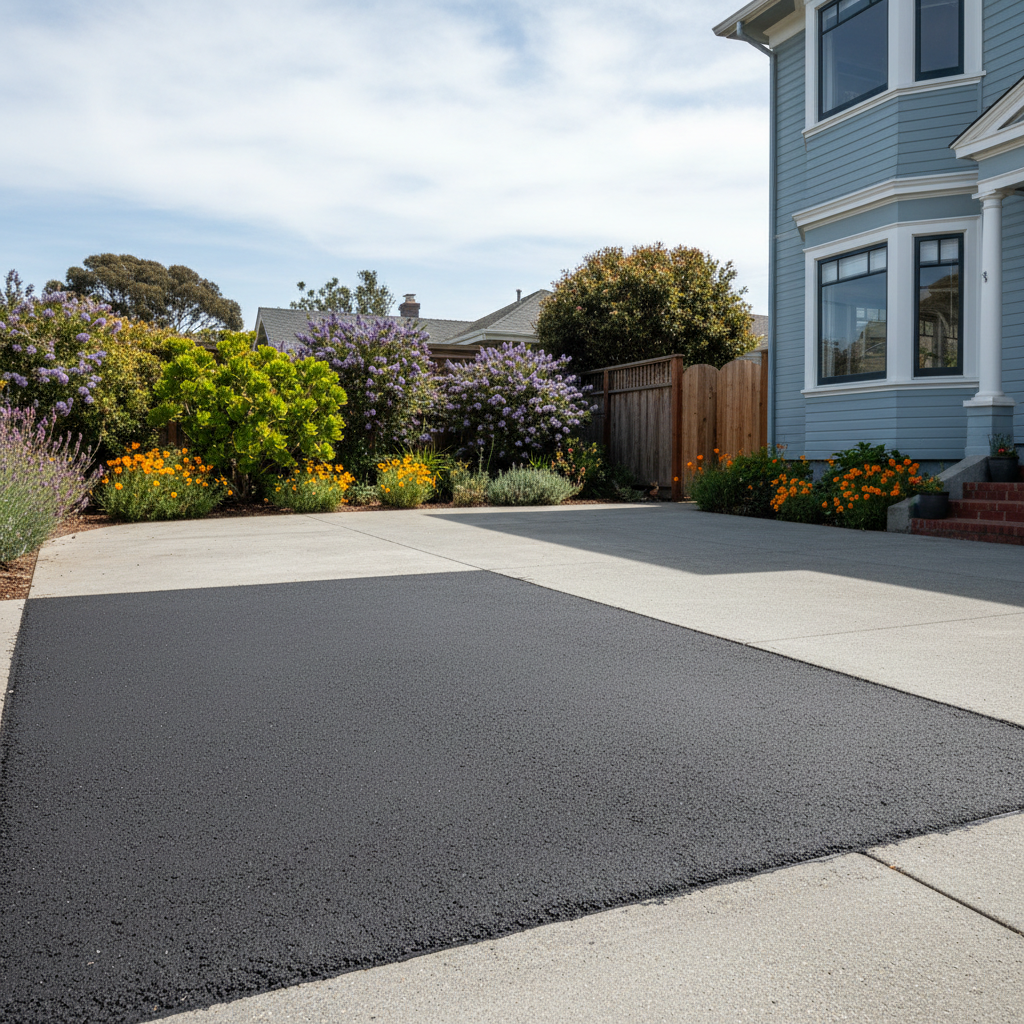
So, you’ve just had some asphalt repair done, maybe a pothole patched up or a crack sealed. You're probably thinking, 'Great, that's handled.' But here's the thing: that repair isn't a 'set it and forget it' kind of deal, especially not with our unique climate right here in San Francisco. You want that repair to actually last, don't you? Of course you do. Let's talk about how to really get your money's worth from that investment.
Extending the Life of Your Asphalt Repairs
The single biggest thing you can do to make a repair last is to protect it from whatever caused the damage in the first place. For us in SF, that usually means water and traffic. We get a lot of fog and drizzle, even when it's not pouring rain, and that constant moisture can really work its way into even the tiniest imperfection.
- Keep it Clean: Sounds pretty basic, right? But debris, leaves, and dirt all hold moisture right against the asphalt. Sweep your driveway or parking lot regularly. And try not to let puddles just sit for days after a rainstorm if you can help it.
- Control Drainage: This is a huge one. If water is pooling on or near your repaired area, it's definitely going to find a way in. Make sure your gutters are clear, and that downspouts are sending water away from your pavement. Sometimes, a simple French drain or just a little regrading can make an enormous difference.
- Manage Heavy Loads: If you've got big vehicles, like delivery trucks or RVs, constantly driving over a freshly repaired spot, it's going to stress that area. Try to direct traffic away from new patches for a bit, if possible—especially in those first few weeks while the asphalt is fully curing.
Regular Maintenance: Your Pavement's Best Friend
Think of your asphalt like your car. You wouldn't just drive it until it completely breaks down, would you? You get oil changes, tire rotations. Asphalt needs a similar kind of preventative care.
For asphalt, regular maintenance means keeping an eye on things and fixing small issues before they blow up into big, expensive problems. This isn't just about repairs; it's about the whole surface, you know?
- Crack Sealing: This is your first line of defense, truly. If you see new cracks forming, even super thin ones, get them sealed. Water is asphalt's absolute worst enemy. It gets into those cracks, freezes (not often here, but it happens in colder parts of CA), expands, and then when it thaws, it leaves a bigger void. Even without freezing, constant water intrusion just weakens the base.
- Sealcoating: This isn't a repair, but it's vital for protecting repairs and the surrounding pavement. A good sealcoat every few years (depending on traffic and wear, of course) acts like sunscreen and a raincoat for your asphalt. It protects against UV rays, water, and spills, all of which degrade the binder that holds the asphalt together.
- Patching Small Damage: Don't wait for a small divot to turn into a full-blown pothole. If you spot a small area starting to crumble or depress, get it patched. It's way cheaper and easier to fix a small problem than to let it grow.
Warning Signs: What to Look For
You don't need to be an asphalt expert to spot trouble. Just walk your property once a month, especially after a good rain, and look for these red flags:
- New Cracks: Any new crack, especially if it's longer than a foot or wider than a quarter-inch, needs attention. Spiderwebbing or alligator cracking? That's a sign of underlying base failure and needs immediate professional assessment.
- Potholes or Depressions: Obvious, I know, but even small ones can grow fast. If you see a spot where water consistently pools, that's a depression that will eventually fail.
- Fading or Discoloration: If your asphalt looks gray instead of black, it means the binder is oxidizing. This makes the surface brittle and more prone to cracking. Sealcoating can often reverse this and protect it.
- Loose Aggregate: If you're seeing a lot of loose stones on the surface, especially after driving over it, your asphalt is deteriorating. The top layer is breaking down, plain and simple.
- Weeds Growing Through: Weeds mean there are cracks, and their roots can actually widen those cracks and compromise the base. Pull them, then seal the crack.
When to Call a Professional (Like Alpha Asphalt San Francisco)
Look, I'm all for DIY where it makes sense. But some things are just better left to the pros. You should definitely call us at Alpha Asphalt San Francisco if you see:
- Extensive Alligator Cracking: This isn't just surface deep. It means your base layer is failing, and a simple patch won't cut it. You might need a more significant repair, like an overlay or even a full-depth replacement in that area.
- Large Potholes: Anything bigger than a dinner plate, or deeper than a couple of inches, needs professional repair. We have the right equipment and materials to ensure a lasting fix.
- Significant Drainage Issues: If water is constantly pooling and you can't figure out why, or how to fix it, you need an expert to assess the grade and suggest solutions.
- Substantial Fading or Multiple Small Issues: If your entire pavement looks tired, faded, and has numerous small cracks and patches, it might be time for a comprehensive sealcoat or an overlay to rejuvenate the whole surface, rather than just chasing individual problems.
- Recurring Problems: If you're patching the same spot over and over, there's a deeper issue that needs a professional eye.
Don't wait until your small problem turns into a massive headache. A little proactive maintenance and knowing when to call in the cavalry will save you a lot of money and frustration down the line. We're here to help keep your San Francisco asphalt looking good and performing strong.