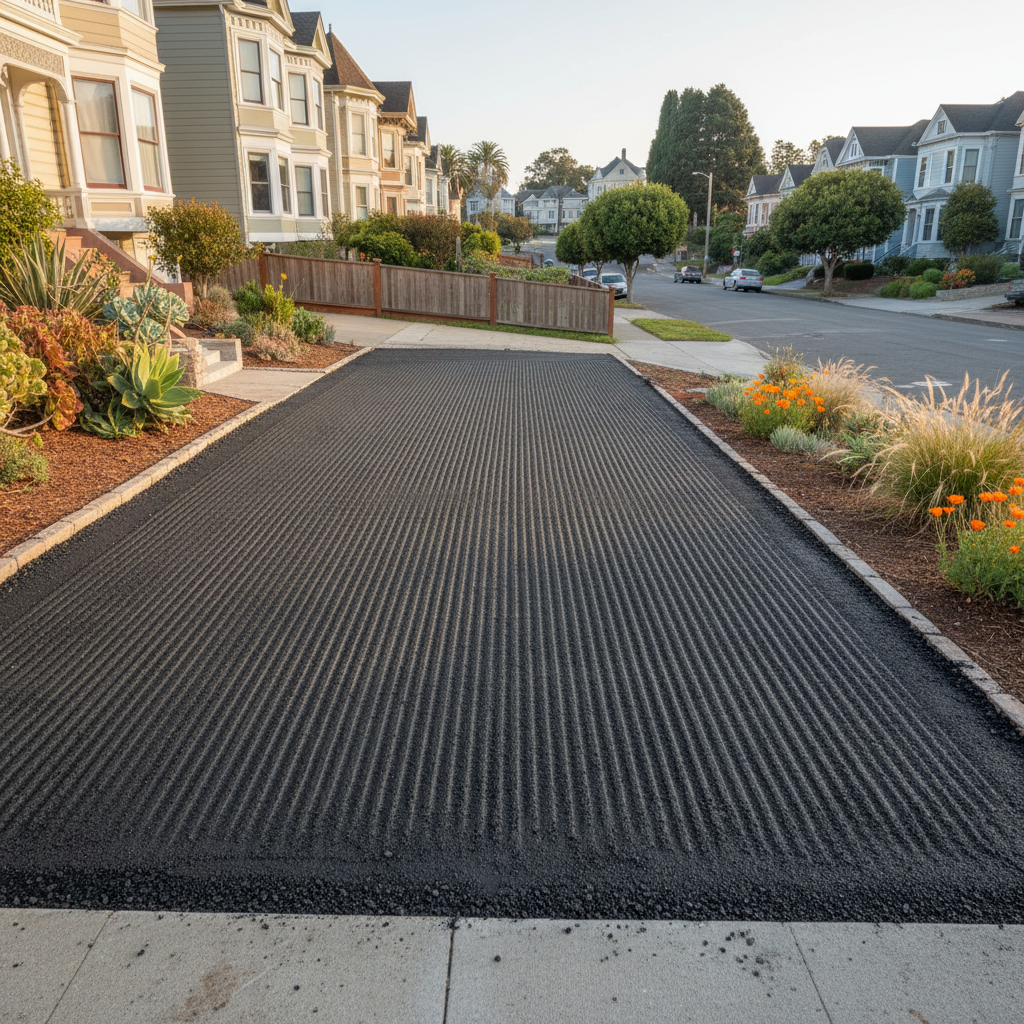
So, you've got a freshly milled asphalt surface. Maybe it's your driveway, a parking lot, or even a private road. Milling is a smart choice for all sorts of reasons, especially here in San Francisco, where we deal with everything from foggy, damp mornings to sudden, heavy downpours. It's cost-effective, good for the environment, and if it's done right, you get a really solid base. But, just like anything else, it won't last forever without a little tender loving care. You want to extend the life of that work, don't you? Let's dive into what that actually means.
Making Your Milled Asphalt Last Longer
The single biggest thing you can do to make your milled asphalt stick around is to protect it from water seeping in and from those harsh UV rays. Think of it like sunscreen and a good raincoat for your pavement. Once we've milled and compacted it, that surface is a lot more porous than brand-new asphalt. That's why putting a proper sealcoat on it shortly after milling is so important. It creates a protective barrier, keeping water out and stopping the sun from drying out the binders. Here in SF, with our crazy microclimates and the constant dampness in places like the Sunset or Richmond districts, water is the enemy. It sneaks into those tiny voids, freezes (rarely, but it does happen!), expands, and then boom — you’ve got cracks. A good sealcoat every few years, depending on how much traffic it gets and how much sun it sees, makes a huge difference. Seriously, don't skip it. It's not just about how it looks; it's about keeping the whole thing structurally sound.
Regular Maintenance: What You Actually Need to Do
Keeping milled asphalt in good shape isn't rocket science, but it does need some attention. First off, keep it clean. Leaves, dirt, and other debris hold moisture against the surface, which just speeds up how fast it falls apart. A good sweep or blow-off every now and then is usually all it takes. If you spill oil or gas, clean it up right away. Petroleum products actually dissolve asphalt binders, leaving soft spots that turn into potholes in a hurry. Use something absorbent like cat litter, then sweep it up. Don't just hose it down, because that just spreads the mess. Also, keep an eye on any plants. Weeds and grass just love to push their way through cracks, and once they get a foothold, they'll widen those cracks in no time flat. Pull them out or hit them with some herbicide.
Signs That You Might Have a Problem
You don't need to be an asphalt expert to spot trouble. Your eyes are your best tool here. Look for hairline cracks. These are usually the first signs that the surface is starting to stress out. If you see them, especially in a spiderweb pattern (we call that 'alligator cracking'), that's a big red flag. Potholes, obviously, are a problem. They start small and grow fast, particularly after a good rain. Another thing to watch for is raveling, which is when the aggregate (those small stones) starts coming loose from the surface. It looks like the pavement is just disintegrating, and it means the binder isn't doing its job anymore. And hey, look for standing water after a rain. If water isn't draining off properly, it's just sitting there, soaking into the pavement, and that's never a good thing. These aren't just cosmetic issues, you know; they're indicators of deeper structural problems that will only get worse if you ignore them.
When It's Time to Call a Professional
Knowing when to call Alpha Asphalt San Francisco — or any reputable contractor, for that matter — can save you a ton of headaches and money down the road. If you're seeing those widespread alligator cracks, or if potholes are popping up rapidly, it's definitely time to get us out there. Small, isolated cracks can sometimes be sealed with a crack filler, but if they're all over the place, that's way beyond a DIY fix. If you've got big areas of raveling, or if you notice your milled surface is starting to sink or heave in spots, especially near building foundations or drainage areas, that usually points to a sub-base issue that needs a professional assessment. Don't wait until your driveway looks like a lunar landscape! Catching these problems early often means we can do a targeted repair, like a patch or a small overlay, instead of needing a full reconstruction. We've seen it all, from the steep grades of Russian Hill to the flatlands of the Bayview, and we can tell you exactly what your milled surface needs to keep performing for you.