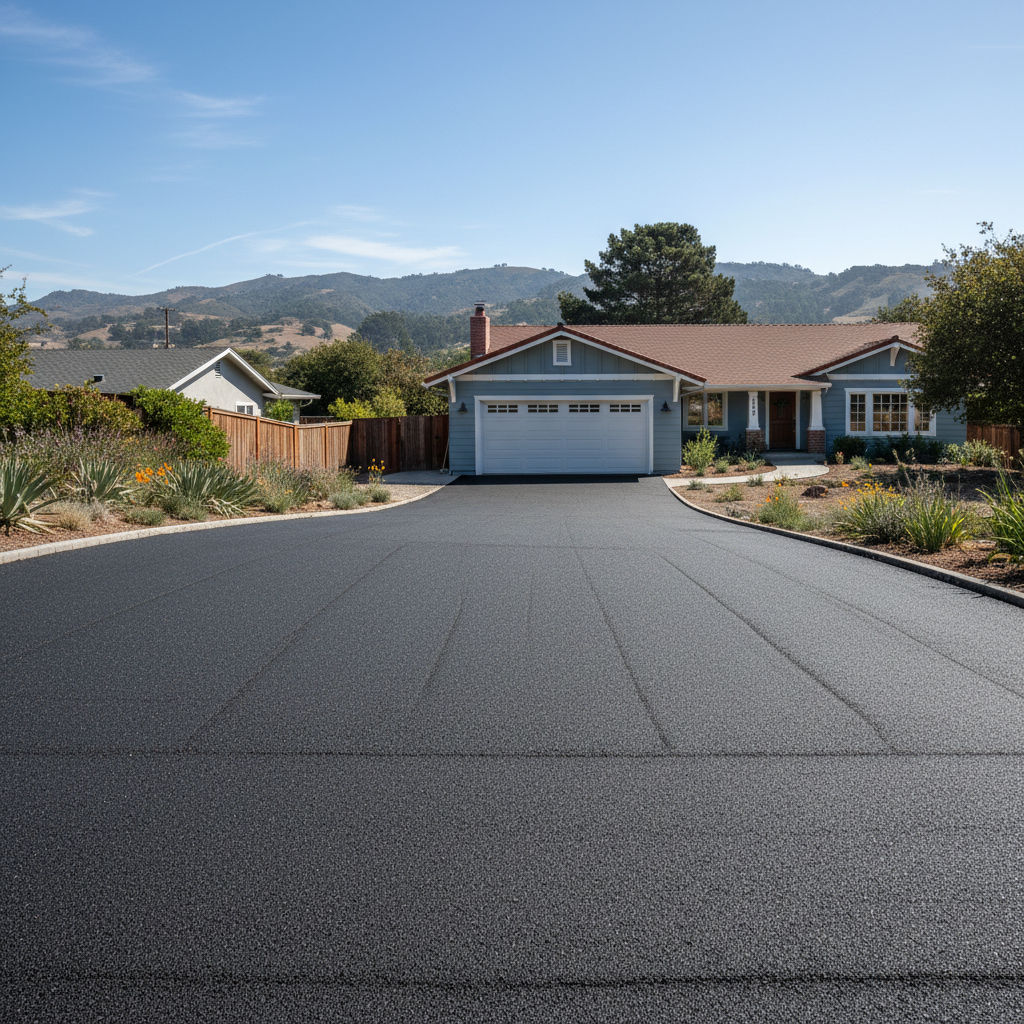
So, you've gone ahead and invested in asphalt milling for your place here in San Francisco. Smart move! It's a really good way to get a fresh, tough surface without breaking the bank, and it's sustainable too. But here's the thing: it's not a "set it and forget it" kind of deal. You've got to give it a little attention if you want it to last. Honestly, I've seen too many folks ignore their pavement, and then they're calling me for repairs way sooner than they should be. What a waste!
Making Your Milled Surface Last Longer
The single most important thing you can do for your milled asphalt is to make sure it's properly sealed. Milling leaves you with a rough, porous surface. That's great for traction, sure, but it also means it's more open to the elements. Here in SF, we get a lot of fog and dampness, even if we don't have super extreme heat or cold. That moisture can sneak into those tiny little gaps, and over time, it'll start to break down the binder. A good sealcoat? It’s like a protective skin, keeping water out and stopping the sun from oxidizing everything.
Another big one is good drainage. Our hills and valleys, in spots like Nob Hill or the Sunset District, mean water can really pile up if your grading isn't quite right. If you see standing water on your milled surface, that’s a problem. That water will eventually get through, especially if the sealcoat isn't perfect. So, check that your gutters are clear, and make sure any landscaping isn't sending water right onto the pavement.
Finally, be mindful of heavy loads. Milled asphalt is tough, no doubt, but if you're constantly driving or parking really heavy vehicles in the same spot, day in and day out, you can cause localized stress and cracking. If you've got a delivery truck that always pulls up in the same place, try to mix it up a bit if you can.
Regular Upkeep: What You Need to Do
Keeping your milled asphalt in good shape is pretty simple, but it’s absolutely necessary. Think of it like changing the oil in your car. You don't wait for the engine to seize up, do you?
- Keep it Clean: Regularly sweep or blow off debris. Leaves, dirt, and gravel can hold moisture against the surface. Over time, they can even wear down the sealcoat. Got oil or gas spills? Clean those up right away. They're solvents, and they'll break down the asphalt binder.
- Reapply Sealcoat: This is your main defense. For a newly milled and sealed surface, I usually tell people to reapply a good quality sealcoat every 2-3 years. If it's a high-traffic area, you might need it sooner. You'll notice the color fading and the surface looking duller when it's time to act.
- Fix Small Cracks: Don't let little cracks turn into big ones. As soon as you spot hairline cracks, get them filled with a quality crack filler. This stops water from getting under the surface and causing more damage, especially with our consistent dampness.
Signs of Trouble to Watch For
You don't have to be an asphalt guru to spot problems. Your pavement will definitely let you know when it's unhappy. Keep an eye out for these things:
- Cracking: We're not talking about those tiny hairline cracks you just fill. I mean alligator cracking (it looks like alligator skin), block cracking (large, interconnected squares), or longitudinal cracks running parallel to the edge. These usually signal a problem with the base or that the asphalt is getting old and brittle.
- Potholes: This is a clear sign that water has gotten under the surface, maybe frozen (not often here, but it can happen during colder winter snaps), expanded, and then thawed, washing away the base material. Or it's just heavy traffic breaking down a weak spot. Get these fixed fast. They only ever get worse.
- Raveling: This happens when the aggregate (the small stones) starts to come loose from the surface, making it look rough and crumbly. It means the binder is failing, often because of oxidation or poor drainage.
- Fading and Discoloration: While some fading is normal over time, if large sections are much lighter or discolored, it could mean the sealcoat has completely worn away, leaving the underlying asphalt exposed and vulnerable.
- Standing Water: After a rain, if you've got puddles that don't disappear within a reasonable amount of time (say, an hour or two), you've got a drainage problem. This will lead to all the other issues I just mentioned, believe me.
When to Call the Experts
Look, some things you can probably handle yourself, like sweeping or maybe even a small crack fill if you're handy. But there's a point where you really need to bring in the pros. Here at Alpha Asphalt San Francisco, we deal with these issues every single day. You should give us, or another reputable contractor, a call when:
- You see significant cracking like alligator or block cracking. These aren't just surface issues; they often point to deeper structural problems.
- Potholes are forming or growing quickly. We can patch them, but sometimes it means a larger area needs attention.
- You're noticing widespread raveling. This means the surface is deteriorating, and it might be time for a new sealcoat or even a thin overlay.
- Drainage issues keep happening, and you can't figure out why water is pooling. We can check the grade and suggest solutions.
- It's been 2-3 years since your last sealcoat, and you want to make sure it's done right with quality materials that stand up to our unique San Francisco weather.
- You just don't have the time or the know-how to do the maintenance yourself. It's an investment, and protecting it is definitely worth it.
Don't wait until your pavement is falling apart. A little proactive maintenance goes a long way toward saving you money and headaches down the road. Keep an eye on your milled surface, and if you're ever unsure, just give us a call. We're always happy to take a look.